Home/News/AA vs OV Ford Trophy Match 4 Dream11 Retrospective
Fantasy Cricket Retrospective
AA vs OV Dream11 Retrospective — Ford Trophy Match 4 Playing XI, Cobham Oval Pitch and Captaincy Notes
A dated look back at the Auckland Aces versus Otago Volts Ford Trophy Match 4 brief from late November 2022 — Cobham Oval conditions, both probable XIs and the captaincy lanes that defined the List A fantasy sheet that week.
Published Aug 2, 2026 at 10:30 AM IST · Retrospective of Nov 30, 2022 source · 10 min read
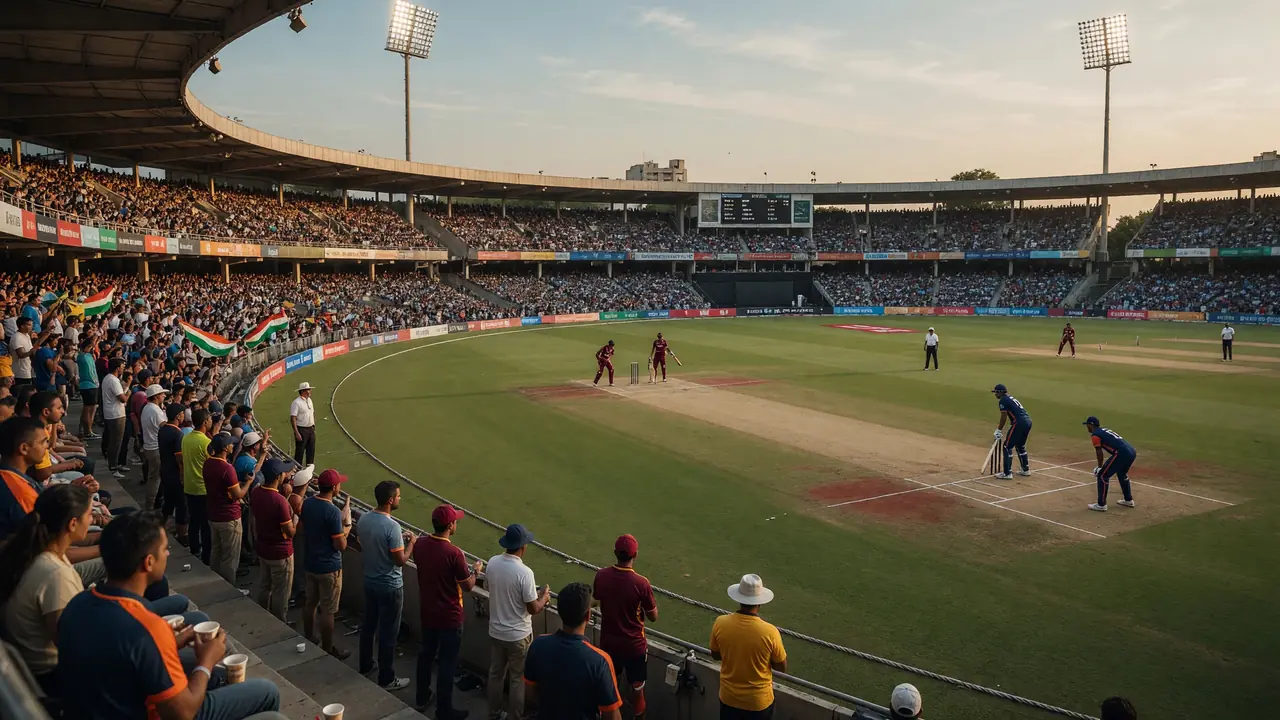
Cobham Oval, Whangarei, framed the Ford Trophy Match 4 fantasy brief for Auckland Aces against Otago Volts in the 2022 season window.
Compliance Notice: Fantasy sports involve skill-based competition. Play responsibly. 18+ only. Tips are for informational free-contest use under applicable online gaming rules.
Archive fantasy brief
On 30 November 2022, CricTracker published a Dream11-facing preview for Auckland Aces against Otago Volts in Match 4 of New Zealand’s Ford Trophy. The fixture was listed for Wednesday, 30 December 2022, at Cobham Oval (New) in Whangarei, with a 3:30 AM IST start and live coverage marked for Fancode. This retrospective rebuilds that brief for modern List A fantasy readers: who was available, how the surface was expected to behave, and which roles carried the captaincy weight.
The match sat early in the domestic one-day season. Auckland Aces were still waiting for their first appearance after two earlier fixtures had been rescheduled. Otago Volts had already played and lost their opener, leaving them at the bottom of the table when the preview was filed. That imbalance shaped the fantasy tone of the week. One side arrived without a current Ford Trophy result; the other arrived with a single defeat and pressure to climb.
What follows stays inside the verified November 2022 record. Probable XIs, pitch notes, weather snapshot, form strings and named captaincy leans are taken from that archive brief. Interpretation is limited to how those facts would have guided a careful fantasy sheet, not to invent later scores or unconfirmed changes.
Match 4 archive snapshot
Match: Auckland Aces (AA) vs Otago Volts (OV), Match 4, Ford Trophy Listed date: Wednesday, 30 December 2022 Venue: Cobham Oval (New), Whangarei Start time: 3:30 AM IST Streaming note: Fancode Source published: 30 November 2022, 6:49 PM IST (CricTracker Staff) Format: List A (50 overs)
Why the early-season context mattered
List A fantasy rewards role certainty more than T20 flash. Fifty overs leave room for top-order anchors, bowling all-rounders who complete full quotas, and death specialists who can still collect wickets after the 40th over. In that setting, the Ford Trophy Match 4 sheet was less about explosive differentials and more about who would bat long and who would bowl through the middle overs on a Whangarei surface that historically offered early pace help before settling.
Auckland’s delayed start complicated ownership models. Without a live Ford Trophy innings on the board, managers had to lean on known career roles: Martin Guptill at the top, Robert O’Donnell as captain and middle-order organiser, Sean Solia as the seam-bowling all-rounder, and Ben Lister as the new-ball option. Otago, by contrast, already carried one result into the conversation. Hamish Rutherford had scored 28 in the opening match and was named both captain and a central batting pick in the preview.
Recent form strings published with the brief underlined the contrast. Auckland’s listed sequence read T-T-W-L-L. Otago’s read L-L-L-T-W. Those strings mixed formats and did not describe Ford Trophy points alone, but they framed public confidence: Auckland were treated as the side with higher individual ceilings, while Otago were treated as the side needing a reset after starting the competition with a loss.
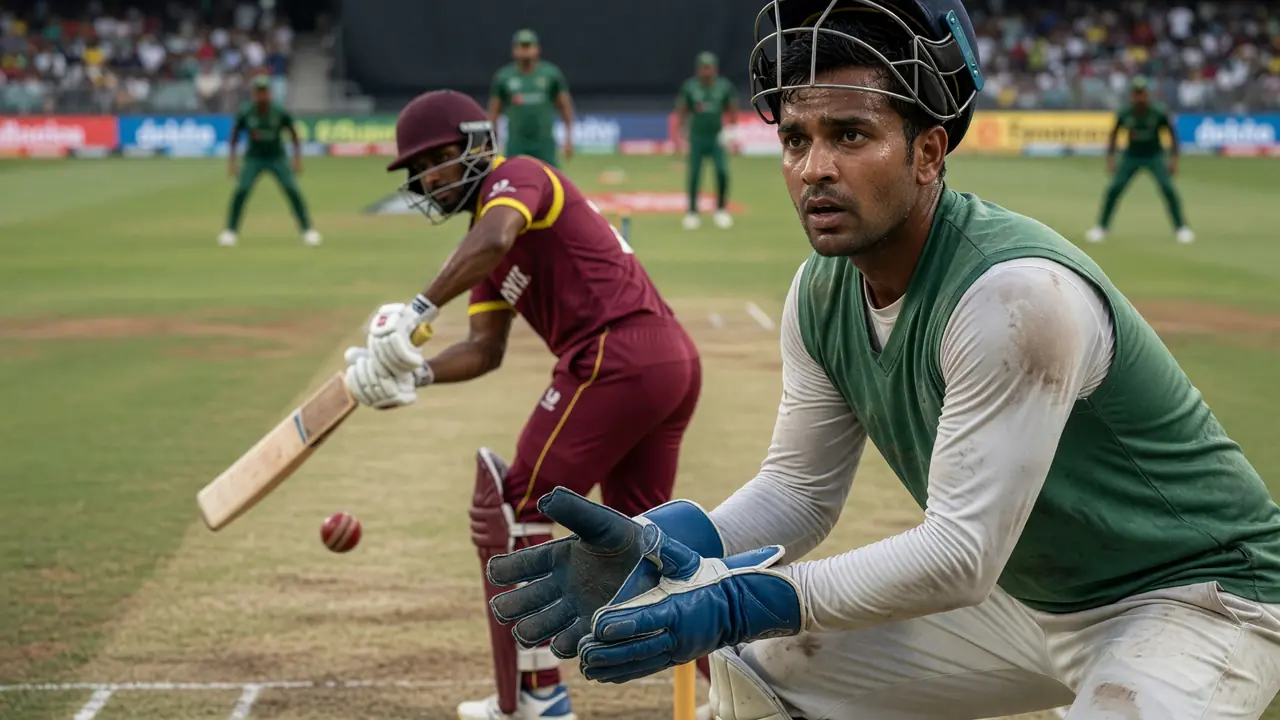
Top-order certainty drove the Auckland sheet, with Guptill listed as the clearest captaincy ceiling in the November 2022 brief.
Cobham Oval pitch and weather notes
The archive pitch note was straightforward. Early overs were expected to offer pace assistance. Batting was projected to become easier as the ball softened and the surface lost its first-session bite. The average score attached to the venue brief was 241. Both sides were described as preferring to chase, a common List A preference when captains believe the second innings becomes more predictable once the morning movement is gone.
Weather at the venue was recorded as clear, around 13.3°C with 55% humidity. Cool, dry conditions of that kind usually keep the new ball honest without guaranteeing heavy swing all morning. For fantasy construction, the practical read was simple: open with at least one specialist seamer from each side, keep a top-order batter who can survive the first ten overs, and avoid overloading pure hitters who only thrived once the ball was old.
Fantasy surface read from the archive
A 241 average is a middle-ground List A total. It rewards batters who bat through phases rather than one-over finishers, and it keeps bowling points alive deep into the innings. Because both teams preferred chasing, the toss still mattered: the side bowling first had a clearer path to early wickets, while the side batting second could plan a chase against a known target. Captaincy value concentrated on batters expected to face a high share of deliveries and on all-rounders with guaranteed overs.
Probable playing XIs from the 2022 brief
The November preview published full probable elevens for both clubs. Those lists remain the factual ceiling for this retrospective. They were working sheets, not confirmed toss cards, and should be read that way.
Auckland Aces (probable XI)
1
BJ Horne WK
2
MJ Guptill
3
MS Chapman
4
GH Worker
5
WT O'Donnell
6
RR O'Donnell C
7
RM ter Braak
8
SM Solia
9
William Somerville
10
BG Lister
11
L Delport
Otago Volts (probable XI)
1
MW Chu WK
2
DN Phillips
3
HD Rutherford C
4
Jacob Cumming
5
MJG Rippon
6
D Foxcroft
7
JA Duffy
8
T Muller
9
MD Rae
10
MB Bacon
11
BNJ Lockrose
Auckland’s sheet stacked known names through the top six. Guptill and Mark Chapman gave the side two high-ceiling batters; George Worker added left-hand balance; William O’Donnell and Robert O’Donnell filled the middle; Solia and Ryan ter Braak covered seam-bowling depth; William Somerville and Louis Delport offered spin control; Lister carried the new-ball brief. Otago’s balance leaned more toward bowling depth after Rutherford and Dale Phillips at the top, with Michael Rippon and Dean Foxcroft bridging bat and ball, Jacob Duffy leading the pace attack, and Ben Lockrose as the left-arm spin option.
Injury and availability notes in the archive
The source brief did not publish a confirmed injury list that removed named first-choice players from either eleven. The probable XIs above were presented as the active working combinations. In archive fantasy work, that absence is itself information: managers were expected to treat the listed sides as available unless a later toss board said otherwise. No additional medical updates are added here beyond that verified silence.
The only form-linked availability signal in the brief was contextual. Auckland’s first two scheduled matches had been rescheduled, so the club’s Ford Trophy campaign effectively opened with this fixture. Otago’s campaign had already begun with a defeat. Availability, therefore, was less about fitness flags and more about who would be trusted immediately when the competition restarted for Auckland and continued for Otago.
Role lanes that drove the fantasy sheet
Wicketkeeper lane
Ben Horne was the listed Auckland gloveman. Max Chu filled the same role for Otago. In List A scoring, keeper value usually comes from a combination of catches, stumpings and a batting position that can still add 20–40 useful runs. Horne’s path depended on how high Auckland used him; Chu’s path depended on whether Otago kept him opening or floating. Without a confirmed batting order beyond the published eleven, the safe approach was one keeper rather than two, preferring the side expected to field second if the toss went to the chasing preference noted in the brief.
Top-order batters
Martin Guptill was the headline Auckland batter and the preview’s strongest captaincy recommendation. Mark Chapman sat next to him as a second high-upside option. George Worker’s left-hand presence mattered against Otago’s right-arm seam cluster. For Otago, Hamish Rutherford carried both the captaincy armband and the key batting label after his 28 in the opening match. Dale Phillips was the supporting top-order name. In a contest with an average around 241, these five names formed the core batting shortlist because they were expected to face the new ball and still be batting when the surface eased.
Middle order and all-rounders
Robert O’Donnell’s captaincy role for Auckland made him more than a pure middle-order pick; leadership often pairs with a stable batting slot and field placements that keep the player involved. Sean Solia was the clearest dual-skill Auckland name on the sheet. Michael Rippon and Dean Foxcroft played similar bridging roles for Otago, combining middle-order batting with spin or medium-pace overs. Ryan ter Braak added Auckland seam-bowling depth that could spill into lower-order runs. Those multi-skill players were the natural vice-captain pool when managers did not want full exposure on a pure opener.
Specialist bowlers
Ben Lister’s new-ball overs aligned with the pitch note about early pace help. Jacob Duffy filled the equivalent role for Otago and was the most obvious Volts bowling anchor. Travis Muller, Michael Rae and Matthew Bacon extended Otago’s pace stocks, while Lockrose covered spin. Auckland’s spin pair of Somerville and Delport mattered if the middle overs flattened and captains needed control rather than raw pace. Because the average score sat near 241, bowling points were unlikely to vanish after the powerplay; full four- or ten-over quotas still decided many List A fantasy ranks.
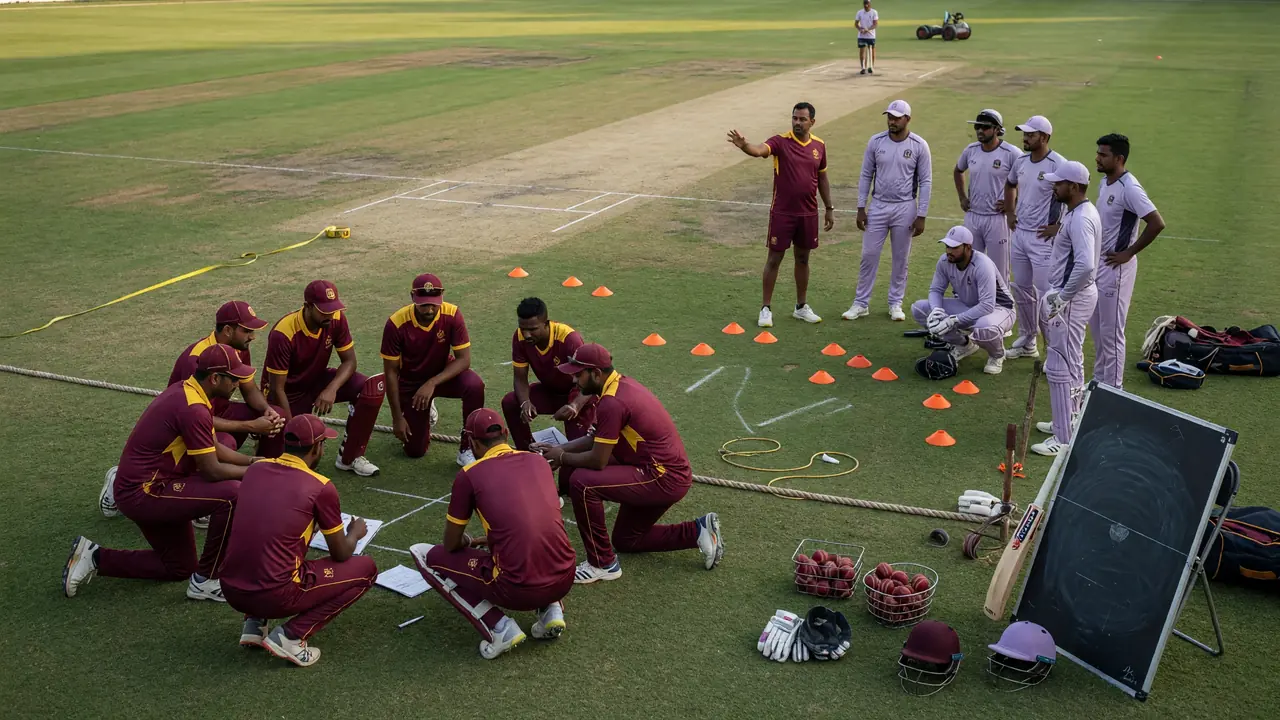
Once the new-ball window closed at Cobham Oval, middle-over fields and spin control decided whether 241 stayed a chaseable or defending total.
Captain and vice-captain lanes from the brief
CPrimary captain lane — Martin Guptill: the archive preview explicitly flagged Guptill as a strong Auckland captaincy pick, matching his top-order ceiling on a surface expected to ease after the first hour.
CSecondary captain lane — Hamish Rutherford: Otago’s captain and key batter after 28 in the opener; the natural opposite-stack when managers faded Auckland ownership.
VCVice-captain lane A — Sean Solia: dual-skill floor if overs were guaranteed and lower-order runs remained live.
VCVice-captain lane B — Jacob Duffy or Mark Chapman: Duffy for bowling-first builds; Chapman for batting-heavy builds chasing the 241 baseline.
Those lanes follow directly from the verified names and roles. They are not later scorecard hindsight. Guptill’s captaincy lean is the one recommendation the archive source stated outright; Rutherford’s case rests on the combination of captaincy, opening-match runs and top-order responsibility.
Two sample Dream11 structures for the archive fixture
Team idea 1
Auckland-leaning template
Wicketkeeper: BJ Horne
Batters: MJ Guptill, MS Chapman, GH Worker, HD Rutherford
All-rounders: SM Solia, MJG Rippon, D Foxcroft
Bowlers: BG Lister, JA Duffy, L Delport
C MJ Guptill VC SM Solia
Team one trusts Auckland’s top order while still banking Rutherford and two Otago bridge players. Lister and Duffy cover both new-ball ends. Delport is the spin control pick if the middle overs go soft. The structure assumes Auckland’s delayed start did not hide a major combination change and that Guptill faced a full top-order allocation.
Team idea 2
Otago bowling differential
Wicketkeeper: MW Chu
Batters: MJ Guptill, HD Rutherford, DN Phillips, RR O'Donnell
All-rounders: SM Solia, D Foxcroft, RM ter Braak
Bowlers: JA Duffy, T Muller, BNJ Lockrose
C HD Rutherford VC JA Duffy
Team two flips the narrative toward Otago’s need for a response after the opening-round loss. Rutherford takes the multiplier, Duffy anchors the bowling, and Lockrose is the left-arm spin differential if Auckland’s right-hand cluster dominated the middle. Guptill remains as the safety batter so the sheet is not a pure underdog stack.
How managers should have read the toss
Because both teams preferred chasing and the pitch was expected to ease, the fantasy adjustment after the toss was mechanical. If Auckland bowled first, Lister and Solia rose slightly and Guptill’s batting still held because the chase would come later on a flatter surface. If Otago bowled first, Duffy and the Volts pace cluster gained immediate value, while Rutherford’s batting remained essential if the chase arrived under lights or against an older ball. The archive weather snapshot — clear and cool — did not point to a washout risk in the preview itself, so managers were not told to build rain-shortened contingencies from that source alone.
Modern readers comparing this brief with current domestic one-day contests can still use the same checklist. Confirm the new-ball pair, lock one top-order batter from each side, prefer all-rounders with overs, and only then spend leftover credits on pure finishers. For broader captaincy frameworks and role weighting beyond a single Ford Trophy archive sheet, the Fantasy Cricket Strategy Lab remains the standing reference on this site.
Archive lean
Auckland held the higher individual ceiling; Otago needed the reset.
With Guptill as the stated captaincy pick and Auckland still to open their season, public fantasy sides were likely to load the Aces’ top order. Otago’s path ran through Rutherford’s response and Duffy’s new-ball overs on a surface offering early pace help. A first-innings total near the 241 venue average would have left both batting and bowling lanes alive deep into the chase.
What the brief still teaches List A fantasy players
Three lessons from the November 2022 Ford Trophy Match 4 sheet remain useful. First, delayed starts change ownership more than they change true talent: Auckland’s blank points column made Guptill and Chapman popular, which is exactly when a measured opposite stack on Rutherford or Duffy could separate large contests. Second, a venue average near 240 is not a batting free-for-all; it is a signal to value players who occupy the crease across phases. Third, when both captains prefer chasing, the toss is a role reshuffle rather than a reason to rebuild the entire eleven.
The archive also shows the limits of pre-match reporting. The brief named probable XIs, a pitch tendency, a weather snapshot and a handful of form cues. It did not invent late fitness dramas or quote players who were not on the record. That restraint is worth copying. Fantasy writing ages better when it stays inside what was knowable before the first ball than when it fills space with certainty the source never offered.
For readers who track New Zealand domestic cricket only through fantasy apps, the Ford Trophy remains a useful training ground. Roles are clearer than in T20 leagues, overs are longer, and captaincy mistakes compound over fifty overs instead of twenty. Revisiting an early-season Aces–Volts sheet is less about nostalgia and more about practising the same discipline current contests still demand: trust verified roles, weight the new ball when the pitch note says so, and spend the multiplier on the batter or all-rounder most likely to touch every phase of the innings.
Legacy of the Match 4 fantasy window
Within the 2022–23 Ford Trophy calendar, Match 4 was an early marker rather than a final. Auckland’s rescheduled beginning meant their season narrative started later than Otago’s. Otago’s place at the bottom after one loss meant the Whangarei trip was already a repair job. The fantasy conversation around Guptill’s captaincy ceiling and Rutherford’s response captured that imbalance cleanly. Those two names still summarise the brief better than any later embellishment could.
The lasting comparison for today’s managers is structural. Whenever a domestic one-day contest pairs a side opening its account against a side already carrying a loss, expect ownership to crowd the untouched stars. The archive Cobham Oval notes — early pace, easier batting later, both teams happy to chase, average 241 — remain a clean template for reading similar venues. Use that template, keep the XI list honest, and let the toss only tilt percentages rather than rewrite the shortlist.
Quick answers from the archive brief
When was the AA vs OV Ford Trophy Match 4 preview published?
CricTracker Staff published the Dream11-facing preview on 30 November 2022 at 6:49 PM IST. The fixture itself was listed for 30 December 2022 at Cobham Oval, Whangarei.
Who were the listed captains?
Robert O’Donnell was named Auckland Aces captain in the probable XI. Hamish Rutherford was named Otago Volts captain.
What did the pitch report say?
Early pace assistance was expected, with batting becoming easier later. The average score shown was 241, and both sides preferred chasing.
Which batter was recommended for captaincy?
Martin Guptill was recommended as a strong captaincy pick for Auckland. Hamish Rutherford was flagged as Otago’s key batter after scoring 28 in the opening match.
What weather was recorded for the venue?
Clear conditions around 13.3°C with 55% humidity were listed in the venue snapshot.
AM
Arjun Mehta
Fantasy cricket editor · List A and domestic briefings
Source note: Facts in this retrospective are drawn from the CricTracker Ford Trophy Match 4 Dream11 preview published 30 November 2022. No later scorecard details have been added.